
Post-Pandemic Hybrid Trade Show Strategies for Maximizing Remote and In-Person ROI
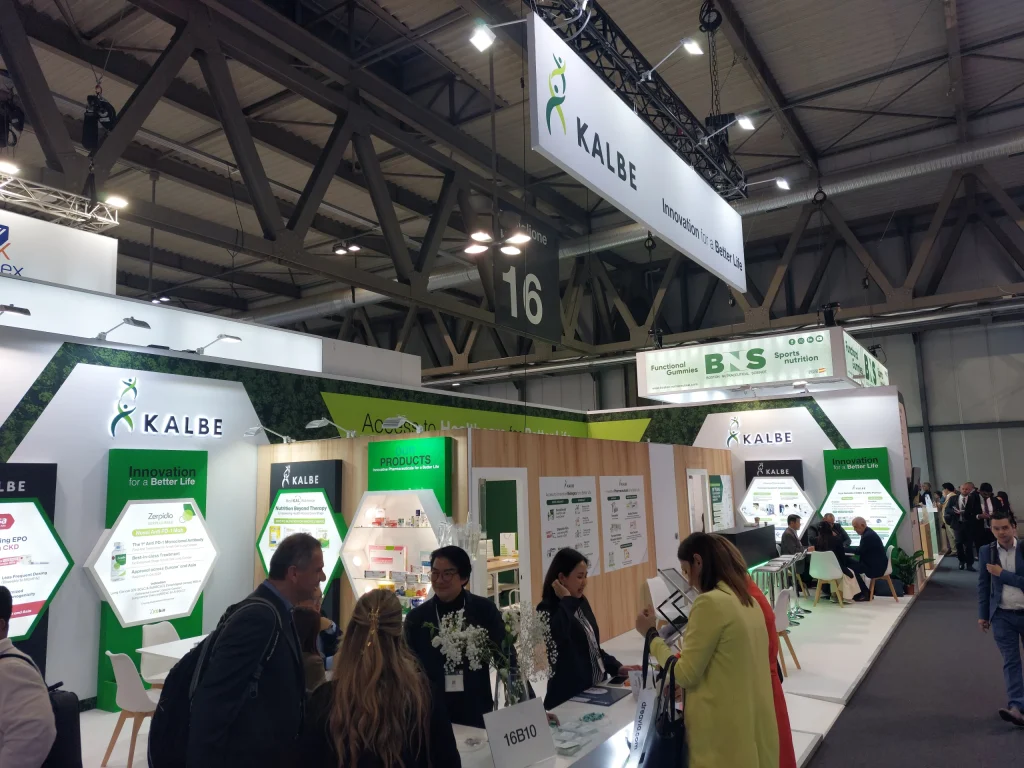
Let’s be honest—the trade show floor will never be the same. And honestly, that’s not a bad thing. The forced experiment of the pandemic years taught us something crucial: the future of B2B engagement isn’t a binary choice between physical and digital. It’s a blend. A hybrid. And if you’re still treating your remote audience as an afterthought, you’re leaving serious money on the table.
Here’s the deal: a true hybrid strategy isn’t just slapping a webcam in your booth and calling it a day. It’s about designing a single, cohesive experience that maximizes return on investment for both audiences. It’s about making every interaction, whether through a screen or a handshake, count. Let’s dive into how you can build that.
Rethinking the Core Goal: It’s About Unified Engagement
First, we need to shift our mindset. Pre-pandemic, success was measured by leads scanned and booth traffic. Now? It’s about total engagement metrics. Think of your hybrid event like a concert. Some fans are in the mosh pit, feeling the bass in their chest. Others are streaming it live at home. The band—that’s you—has to perform for both, making each feel like they got the best seat in the house.
Your goal is to create a seamless flow between the two worlds. A conversation started in a live chat should be able to transition to an in-person meeting at the show. A product demo watched online should qualify a viewer for a one-on-one deep-dive video call. This fluidity is where the real ROI magic happens.
Pre-Show: The Synchronized Launchpad
Honestly, your work begins weeks before the doors open. You have to build momentum in both channels simultaneously.
- One Registration Portal for All: Don’t force separate sign-ups. Use a single platform that lets attendees choose their adventure—in-person, digital, or a bit of both. This gives you a unified data set from day one, which is pure gold.
- Content Teasing for Dual Audiences: Your pre-show emails and social posts need to speak to two realities. For in-person folks: “Don’t miss our live demo at Booth 303!” For remote attendees: “Secure your spot for our exclusive virtual roundtable.” It’s the same campaign, just nuanced.
- Schedule Everything, for Everyone: Build a single, integrated agenda in your event app. Clearly tag sessions that are live-only, virtual-only, or hybrid. This transparency manages expectations and builds trust.
The Hybrid Booth: Your Dual-Frontier Command Center
This is your physical and digital stage. Your booth staff aren’t just product experts anymore; they’re broadcasters and community managers.
Design & Tech Must-Haves
Picture a dedicated “stream zone” within your booth. It doesn’t have to be fancy—just a well-lit, branded backdrop with good audio. This is your broadcast studio for live interviews, product reveals, and Q&A sessions that you stream to your virtual audience.
And you know, tech is key. Reliable, high-speed internet is non-negotiable—a hard lesson many learned the awkward way. Use interactive elements that bridge the gap: live polls where both audiences vote in real-time, QR codes in the booth that unlock digital-only content, or a scrolling feed of comments from online participants on a screen.
The Human Element: Staffing for Two Worlds
This might be the biggest shift. Assign clear roles. Have “Ambassadors” working the physical floor. But also have dedicated “Digital Hosts” whose sole job is to monitor the virtual platform, answer chat questions, facilitate digital networking, and essentially be the concierge for your online attendees. This prevents the remote crowd from feeling like second-class citizens.
The Content Balancing Act
Content is the glue. But you can’t just rebroadcast a noisy floor presentation and expect virtual attendees to stick around. You need to tailor.
| For In-Person Audiences | For Remote Audiences |
| High-touch, hands-on demos | Polished, close-up video demos |
| Impromptu hallway conversations | Scheduled, facilitated video networking |
| The energy of the crowd | On-demand, bite-sized session recordings |
| Physical swag and materials | Digital download kits & exclusive e-books |
The trick is to create exclusive, must-have content for each group that the other might get a taste of, fostering a bit of FOMO in the best way. Maybe your virtual attendees get an early look at a whitepaper, while in-person folks get a tactile prototype. It’s about perceived value for each unique journey.
Data & Follow-Up: Where ROI Actually Materializes
Sure, the event is flashy. But your ROI is won or lost in the weeks after. A hybrid event generates a tsunami of data—from badge scans and session attendance to virtual chat logs and download histories. The pain point? It often sits in silos.
You must integrate it. Crunch the numbers from both platforms to see the full picture. Did a virtual attendee watch three demos and download a spec sheet? That’s a hot lead, even if they never set foot on a plane. Score leads based on combined engagement, not just one channel.
- Segment Your Follow-Ups: Tailor your post-show communication. Reference the specific session they attended, whether it was in a crowded room or on their living room couch. “Great to see you at our live stream Q&A” works wonders.
- Continue the Conversation: The virtual platform shouldn’t die on the last day. Keep it alive for, say, 30 days as a content hub. This extends the lifecycle of your investment and nurtures those leads further down the funnel.
Avoiding the Common Pitfalls
Look, hybrid is tricky. It’s easy to fail in a few predictable ways. Treating the virtual component as a cheap add-on. Using clunky, unreliable tech. Or—and this is a big one—failing to train your staff on the hybrid mindset. They need to be constantly “on” for the camera and mindful that their conversations might be broadcast. A little self-awareness goes a long way.
The other pitfall? Trying to do everything. You can’t be everywhere at once. Focus your energy on a few high-impact hybrid sessions rather than streaming every single moment. Quality over quantity, every time.
The New ROI Equation
In the end, maximizing ROI in this new world means measuring more than just cost-per-lead. It’s about total reach, engagement depth, and data richness. You’re not just paying for a booth; you’re investing in a multi-channel production that generates insights and connections from a global audience you could never fit into a convention hall.
The trade show isn’t dead. It’s evolved. It’s expanded. The businesses that will thrive are the ones that stop seeing “hybrid” as a temporary fix and start embracing it as the permanent, powerful new reality. They’re the ones building bridges, not just between products and clients, but between pixels and people.

