
Sustainable and Eco-Friendly Practices for Modern Trade Show Exhibitors
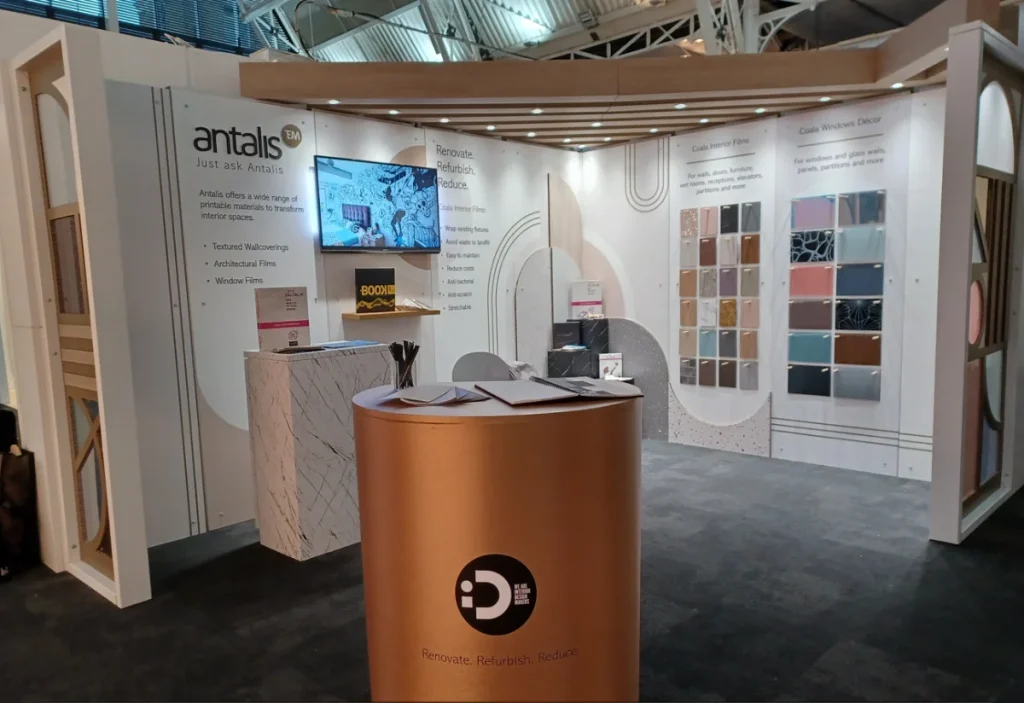
Let’s be honest. The trade show floor can be a beautiful, exhilarating mess. A whirlwind of glossy brochures, vinyl banners, plastic giveaways, and… well, waste. Tons of it. Literally. After the lights dim and the crowds leave, what remains is often a landfill’s dream.
But here’s the deal: the narrative is changing. Attendees, partners, and even event organizers are now looking for brands that walk the walk. Sustainability isn’t just a nice-to-have badge anymore; it’s a core part of a credible, modern brand story. And honestly? Going green with your exhibit doesn’t have to be a compromise. It can be an innovation catalyst, a cost-saver in the long run, and a genuine connection point with your audience.
Rethinking the Foundation: Your Exhibit Structure
It all starts with what you build your presence on. The old model? Order a custom booth, use it once or twice, and watch it gather dust in a warehouse—or worse, get tossed. The new model is circular, modular, and smart.
Modular & Reusable Systems
Invest in a modular exhibit system. Think of it like high-quality, durable Lego blocks for professionals. You can reconfigure them for different shows and spaces, year after year. This slashes material use and shipping costs dramatically. Brands like Skyline or Optima have great options, but even simpler, rental-friendly systems are a win.
Materials Matter: What’s Your Booth Made Of?
Ask your fabricator the tough questions. Are those panels made from recycled aluminum or FSC-certified wood? Is the fabric signage printed with eco-solvent or water-based inks? Opt for materials like:
- Bamboo: Rapidly renewable and surprisingly sturdy.
- Recycled PET felt: Not just for crafts—it’s a great acoustic and visual material.
- Reclaimed wood: Adds warmth and a killer backstory.
It’s about choosing stuff that has a life before and after your show.
The Content & Collateral Conundrum
This is a big pain point. You know the scene: tables littered with brochures most people will recycle (hopefully) before their flight home. Time for a shift.
Digital-First Information
Swap the paper stack for dynamic digital tools. Use QR codes that link to a dedicated show landing page or a digital lookbook. Have tablets on hand for deeper dives into your product catalog. It’s immediate, trackable, and creates zero physical waste.
If You Must Print, Print Smart
Sometimes, a tangible leave-behind is necessary. When that’s the case:
- Print on post-consumer recycled (PCR) paper with soy-based inks.
- Keep quantities minimal—print on demand at the show if possible.
- Design for longevity: create a useful piece, like a high-quality reference guide, not a date-specific flyer.
Giveaways That Don’t Give Guilt
The era of the cheap, plastic tchotchke is, frankly, over. People are selective about what they carry home. Your swag should reflect your brand’s values and actually be wanted.
Think practical, sustainable, and even regenerative. Here are a few ideas that cut through the clutter:
| Item | Why It Works |
| Reusable water bottle (stainless steel) | Cuts single-use plastic, used daily, high visibility. |
| Seed paper notepad | Can be planted after use, totally biodegradable. |
| USB drives from recycled materials | Useful for loading digital catalogs, reduces paper. |
| Organic cotton tote bag | Replaces plastic bags, practical for the show floor. |
Operations & Logistics: The Invisible Green
Sustainability isn’t just about the stuff you see. It’s in the planning, the moving, and the doing. This is where you can find some serious efficiency gains.
Smart Shipping & Energy Use
Consolidate shipments to reduce your carbon footprint from freight. And at the show, use LED lighting exclusively. LEDs use up to 80% less energy than traditional bulbs and generate far less heat—a bonus for your comfort and the show’s cooling load.
Engage a Green Team
Brief your staff not just on your sales pitch, but on your sustainability mission. Make sure they know how to properly sort waste at the show (compost, recycle, landfill) and can communicate your efforts authentically to attendees. It turns every team member into an ambassador for your values.
Measuring Your Impact & Telling Your Story
You can’t manage what you don’t measure. So, track what you’re doing. Calculate the weight of materials you diverted from landfill, the gallons of water saved by not printing certain items, or the carbon offset from your streamlined shipping.
Then—and this is crucial—tell that story. Not in a braggy way, but in a transparent, “we’re trying” way. Use a small graphic in your booth or a line in your spokesperson’s intro: “This display is made from 95% recycled materials.” It sparks conversation and shows commitment.
It proves your brand is thinking ahead, not just about the next quarter, but about the next generation. And in a crowded convention hall, that kind of foresight isn’t just quiet—it’s a powerful, resonant signal.


