Creating Immersive Brand Experiences Through Sensory Marketing at Trade Shows

Let’s be honest. Trade shows are a sensory overload in the worst way. The endless rows of booths, the drone of generic sales pitches, the glare of fluorescent lights on cheap banners. It’s a sea of sameness. Attendees shuffle past, eyes glazed over, their brains filtering out the noise. So how do you break through? How do you make someone stop, remember, and feel something about your brand?
The answer isn’t louder talking. It’s smarter feeling. It’s sensory marketing. This is the strategy of deliberately engaging the five senses to create emotional, memorable connections. At a trade show, where attention is the ultimate currency, building a multi-sensory experience isn’t just clever—it’s critical. It transforms your booth from a transactional space into an immersive destination.
Why Your Booth Needs to Be More Than a Billboard
Think about your favorite memories. They’re rarely just visual. They’re the smell of rain on pavement, the taste of a specific food, the texture of a favorite sweater. Our brains are wired to tie memories to sensory input. In fact, studies suggest that scent alone can increase memory recall by up to 400%. That’s a staggering advantage in a forgettable environment.
Yet most exhibitors focus 90% of their budget on sight—logos, graphics, screens. That’s table stakes. Sensory marketing for trade shows is about layering in sound, touch, smell, and even taste to build a full, rich brand story. It’s the difference between telling someone you’re “innovative” and letting them experience that innovation through the satisfying click of a product component or the unexpected, calming aroma in your space.
A Blueprint for the Senses: Building Your Multi-Sensory Strategy
Okay, so where do you start? You don’t need to assault all five senses at once. A thoughtful, integrated approach targeting two or three can be incredibly powerful. Here’s a breakdown, sense by sense.
Sight: Beyond the Logo
Sure, we said move beyond sight, but let’s use it better. It’s not just your branding colors. It’s lighting. Warm, inviting lighting versus cold, clinical beams. It’s movement and negative space. An open, flowing layout feels different than a cramped product lineup. Use dynamic visuals that tell a story, not just specs. Think of sight as setting the stage—the overall mood and aesthetic that either invites people in or subconsciously tells them to keep walking.
Sound: Crafting Your Audio Atmosphere
This is a big one. The default is often the chaotic show floor noise or, worse, a blaring promotional video on loop. Take control of your soundscape. A tailored playlist that reflects your brand’s energy (calm and sophisticated? upbeat and energetic?) can subconsciously attract your ideal visitor. Use directional speakers to keep sound contained to your booth. And for heaven’s sake, train your staff to modulate their voices—conversational beats shouting every time.
Smell: The Invisible Hook
Smell is the most direct pathway to the brain’s limbic system, which handles emotion and memory. It’s your stealth weapon. A custom scent diffused subtly in your booth can create a unique brand signature. A coffee company might use the rich aroma of fresh beans. A tech company focused on “fresh ideas” might use a clean, citrus or green tea scent. The key is subtlety. It should be a whisper, not a shout—something people notice only when it’s gone.
Touch: The Power of Haptic Engagement
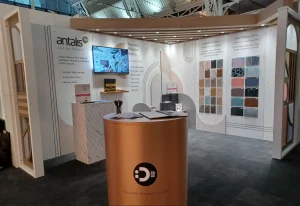
Touch builds connection and perceived quality. Let people interact. This goes beyond a product demo. It’s the texture of your booth materials—smooth, cool granite countertops versus warm, reclaimed wood. It’s the weight and feel of your giveaway item. It’s a tactile wall visitors can run their hands over. Haptic feedback makes an experience tangible and real. It builds trust through physical proof.
Taste: The Ultimate Memorable Takeaway
Taste is incredibly personal and memorable. Offering a premium coffee, a signature cocktail (if appropriate), or even artisanal water can make your booth a refreshment oasis. It encourages dwell time. Pair the taste with your story—a biotech firm in sustainability might offer infused waters with herbs, talking about natural solutions. The act of sharing food or drink is fundamentally human and social. It breaks down barriers faster than any brochure.
Putting It All Together: A Sensory Checklist
Feeling overwhelmed? Don’t be. Start with one sense and build from there. Use this as a quick planning guide:
| Sense | Goal | Simple Trade Show Tactics |
| Sight | Create mood & attract | Warm lighting, open layout, slow-motion video, clean signage |
| Sound | Control atmosphere | Curated playlist, noise-canceling panels, quiet demo zones |
| Smell | Trigger memory & emotion | Subtle scent diffusion (branded or thematic), fresh flowers, natural materials |
| Touch | Build trust & quality perception | Product samples, textured surfaces, interactive touchscreens, premium giveaway materials |
| Taste | Encourage dwell time & connection | Signature drink, premium snacks, barista service, themed canapés |
The Real-World Payoff: It’s Not Just About Being Cool
This all sounds nice, but what’s the actual ROI of sensory branding at exhibitions? Well, it’s tangible. Immersive experiences generate significantly higher dwell times. More time spent means deeper conversations, better qualification, and stronger lead generation. They fuel social sharing—people Instagram a beautiful, aromatic coffee setup, not a datasheet. And most importantly, they create branded memory anchors. Months later, when that prospect smells a similar scent or hears that song, a faint echo of your brand will surface. That’s top-of-mind awareness you simply cannot buy with a standard pop-up banner.
The common pain point? Many brands try to say everything at once. Sensory marketing is about editing. It’s about choosing one or two core brand emotions—like “trust and precision” or “creative and playful”—and then reverse-engineering the senses to evoke that exact feeling.
A Final Thought: The Human Element in a Digital World
In our increasingly digital world, the hunger for authentic, physical experience is growing. A trade show is one of the last bastions of direct, human-to-human interaction in B2B. Sensory marketing simply amplifies that humanity. It acknowledges that your visitors aren’t just “decision-makers” or “leads.” They’re people. People who get headaches under bright lights, who are soothed by a pleasant smell, who remember the brand that gave them a moment of genuine delight or calm in the chaos.
So the next time you plan for a show, ask a different set of questions. Don’t just ask, “What will they see?” Ask, “How do we want them to feel?” Start there. The rest—the memorable conversations, the stronger connections, the standing out from the sea of sameness—well, that will all follow naturally.